Using Using Nano Coatings in Aircraft Detailing in Southern California
Top Question We Get About Using Nano Coatings
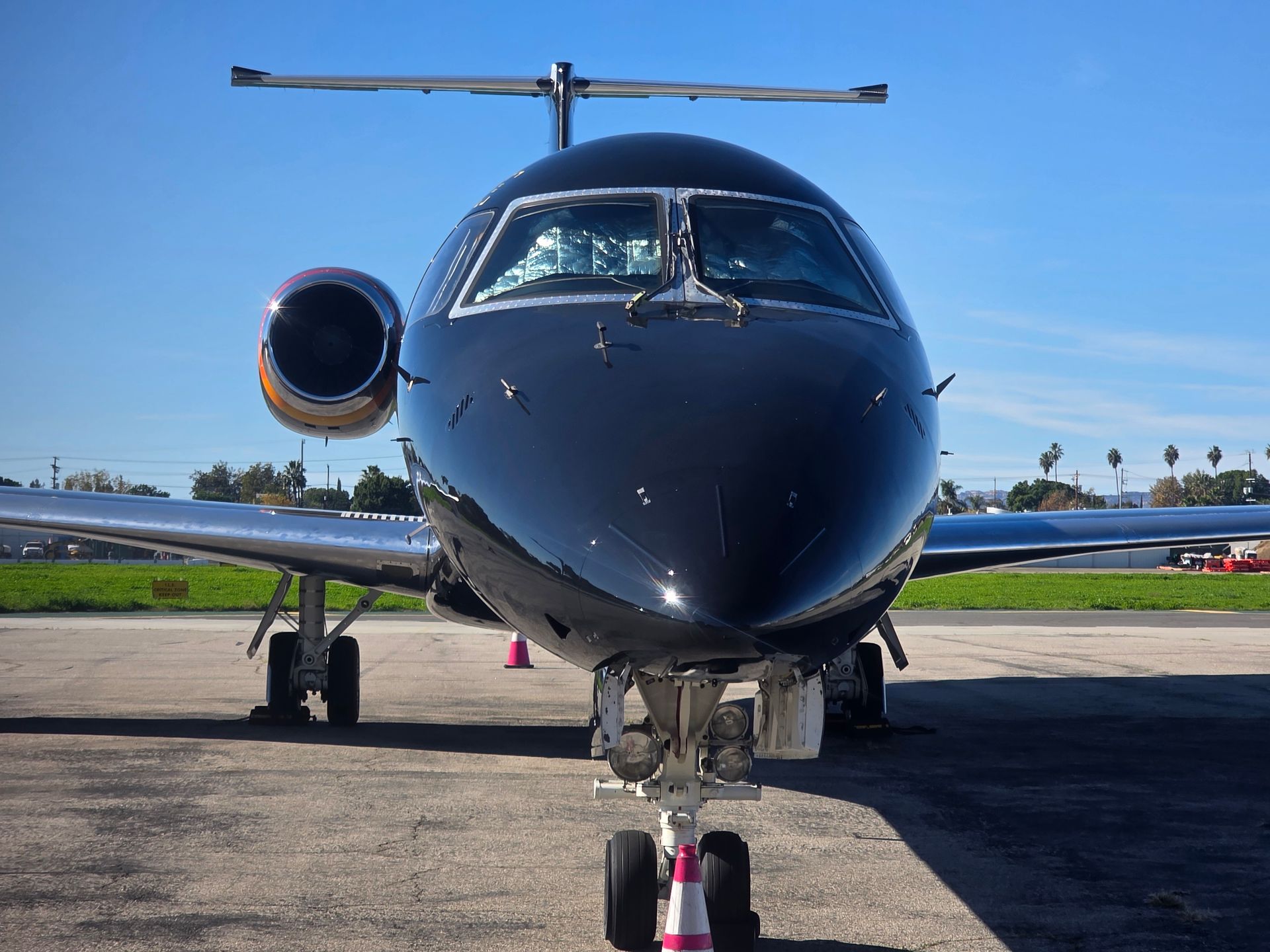
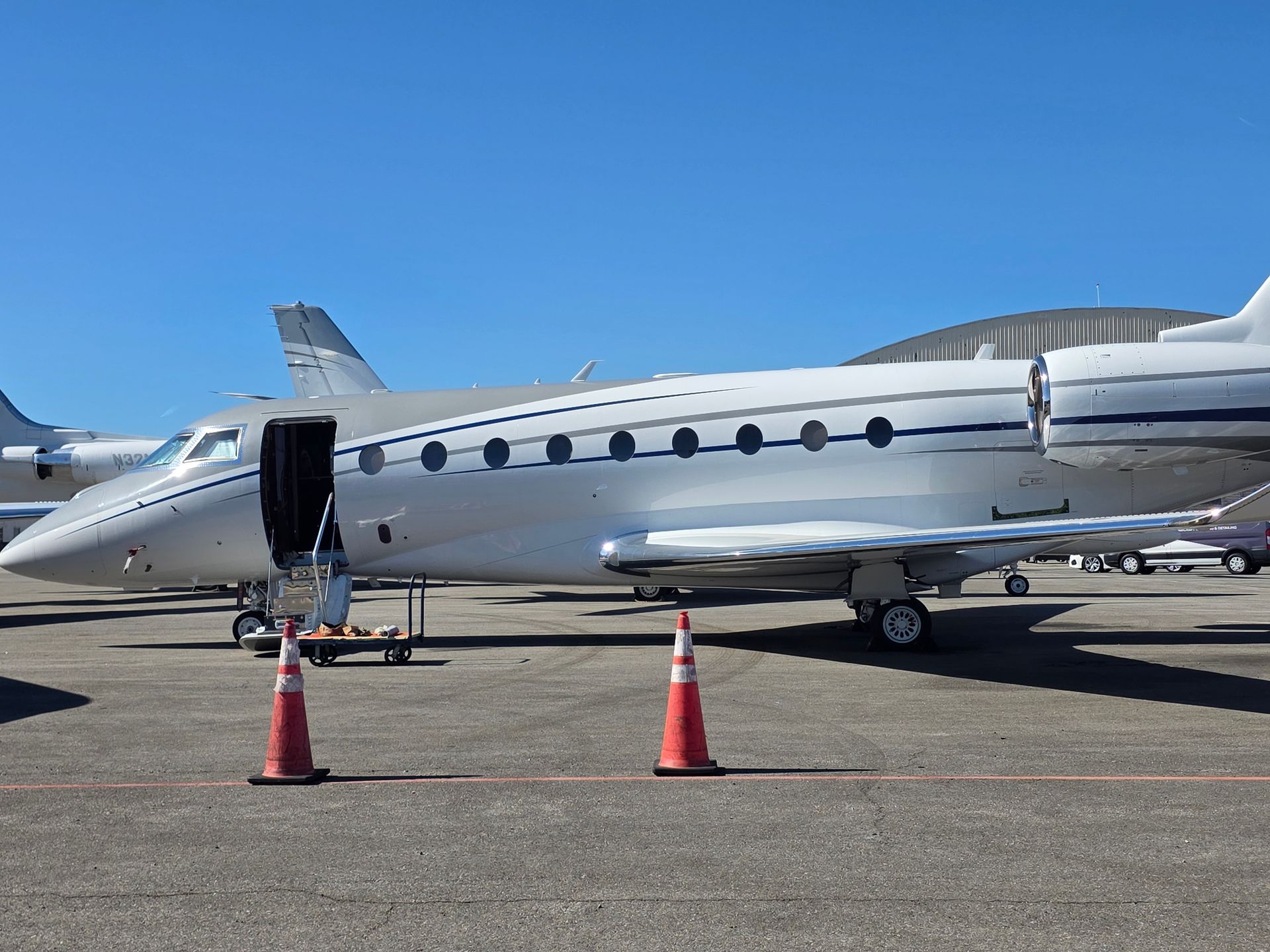
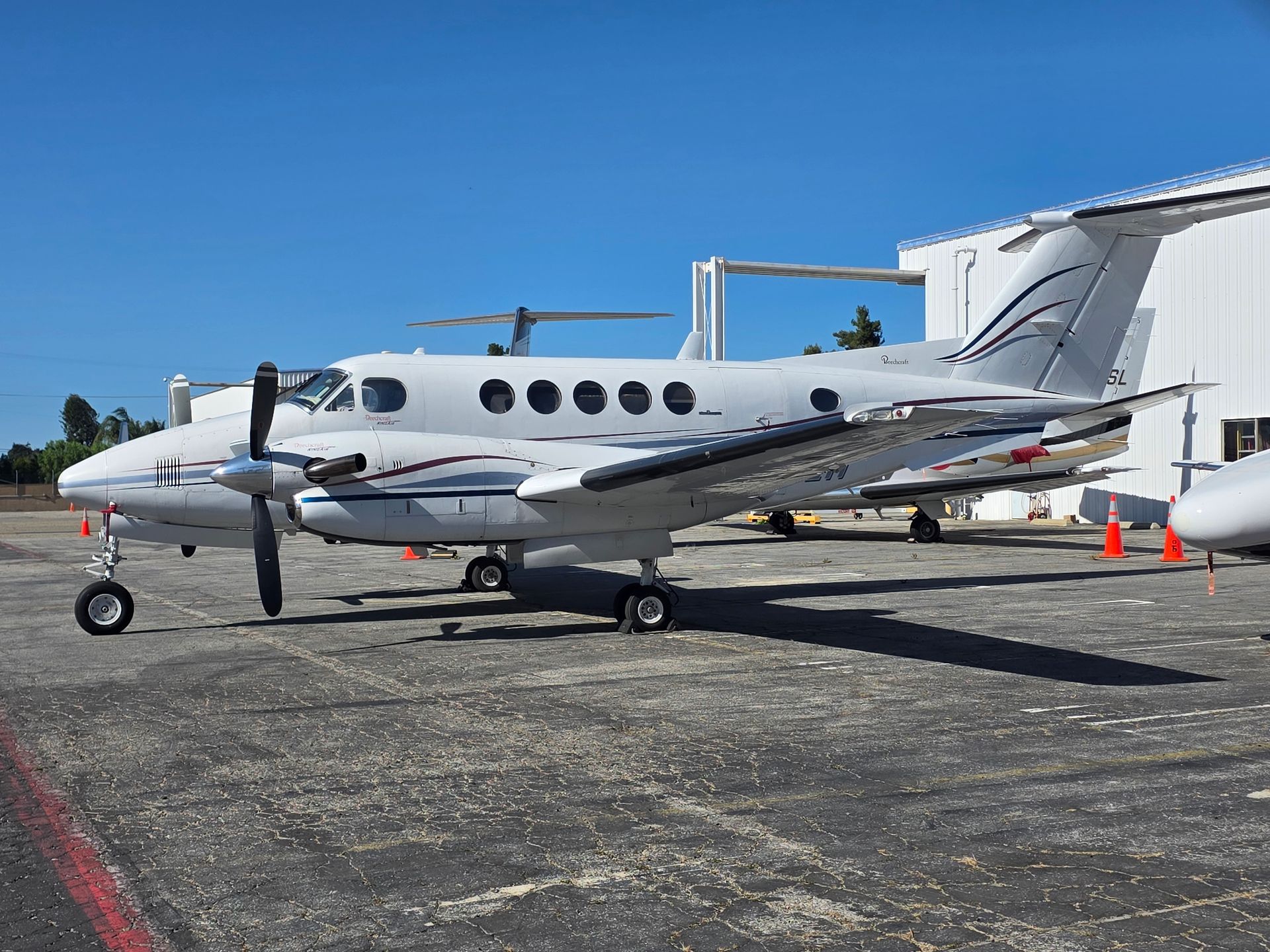
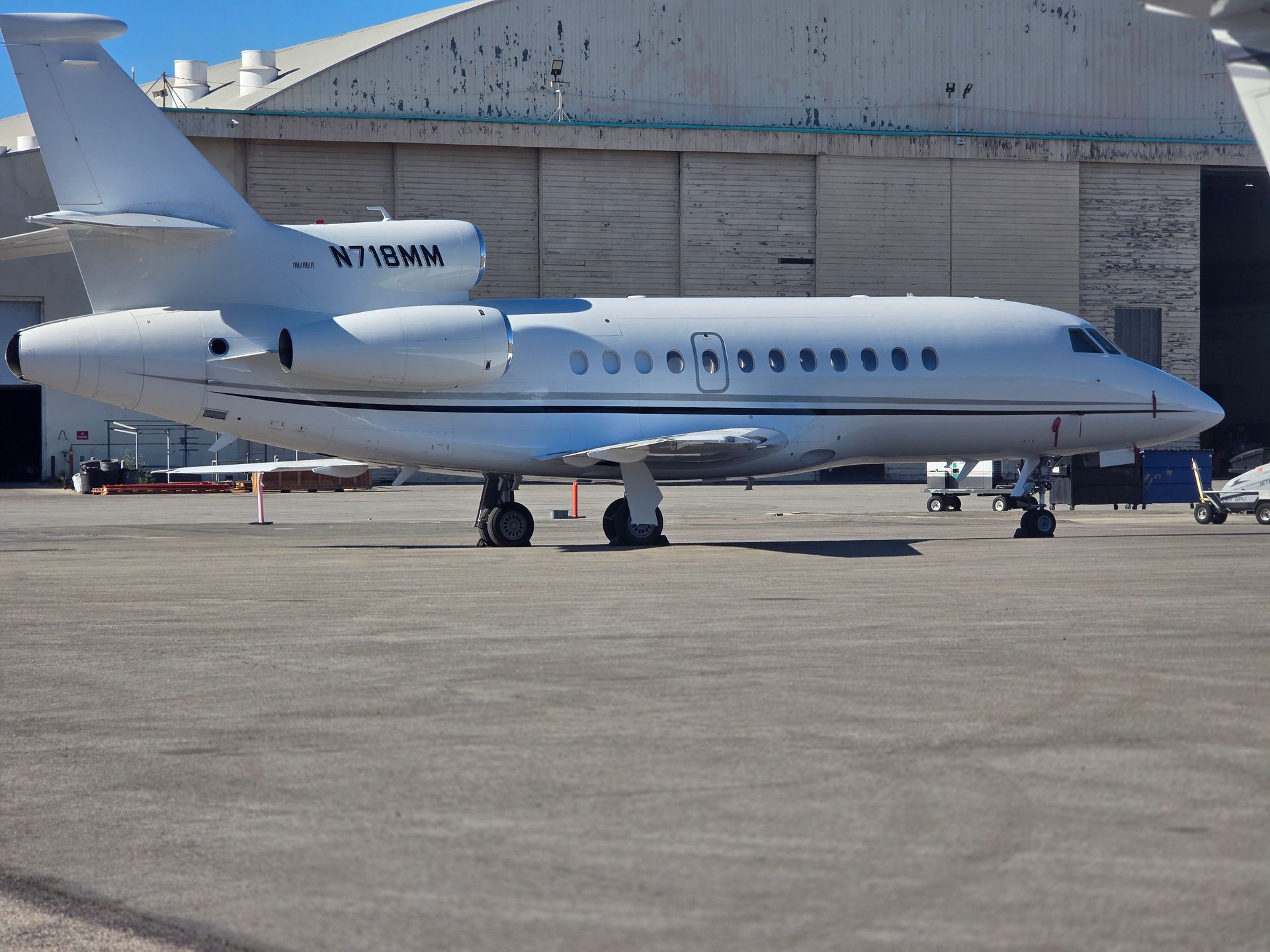
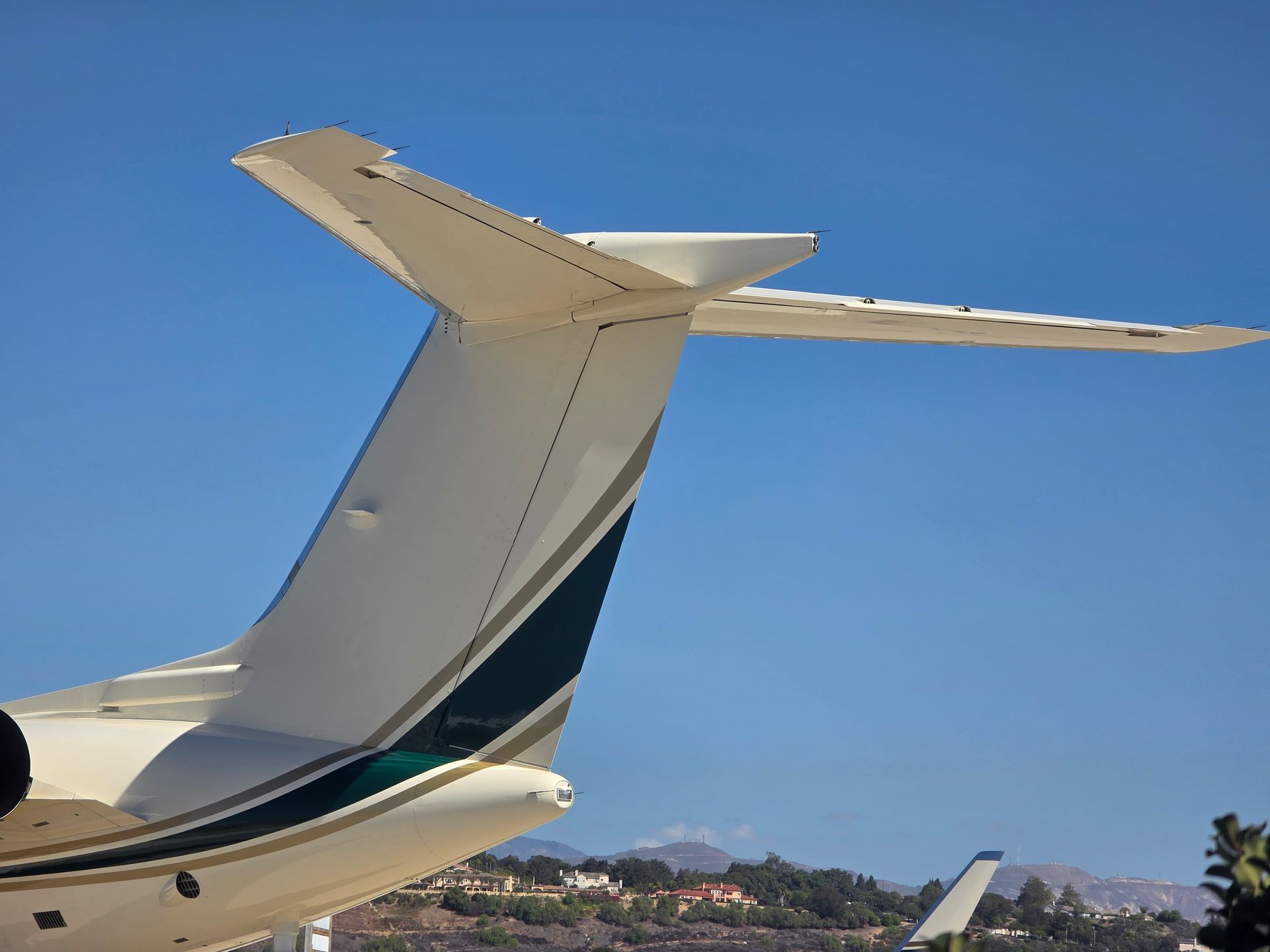
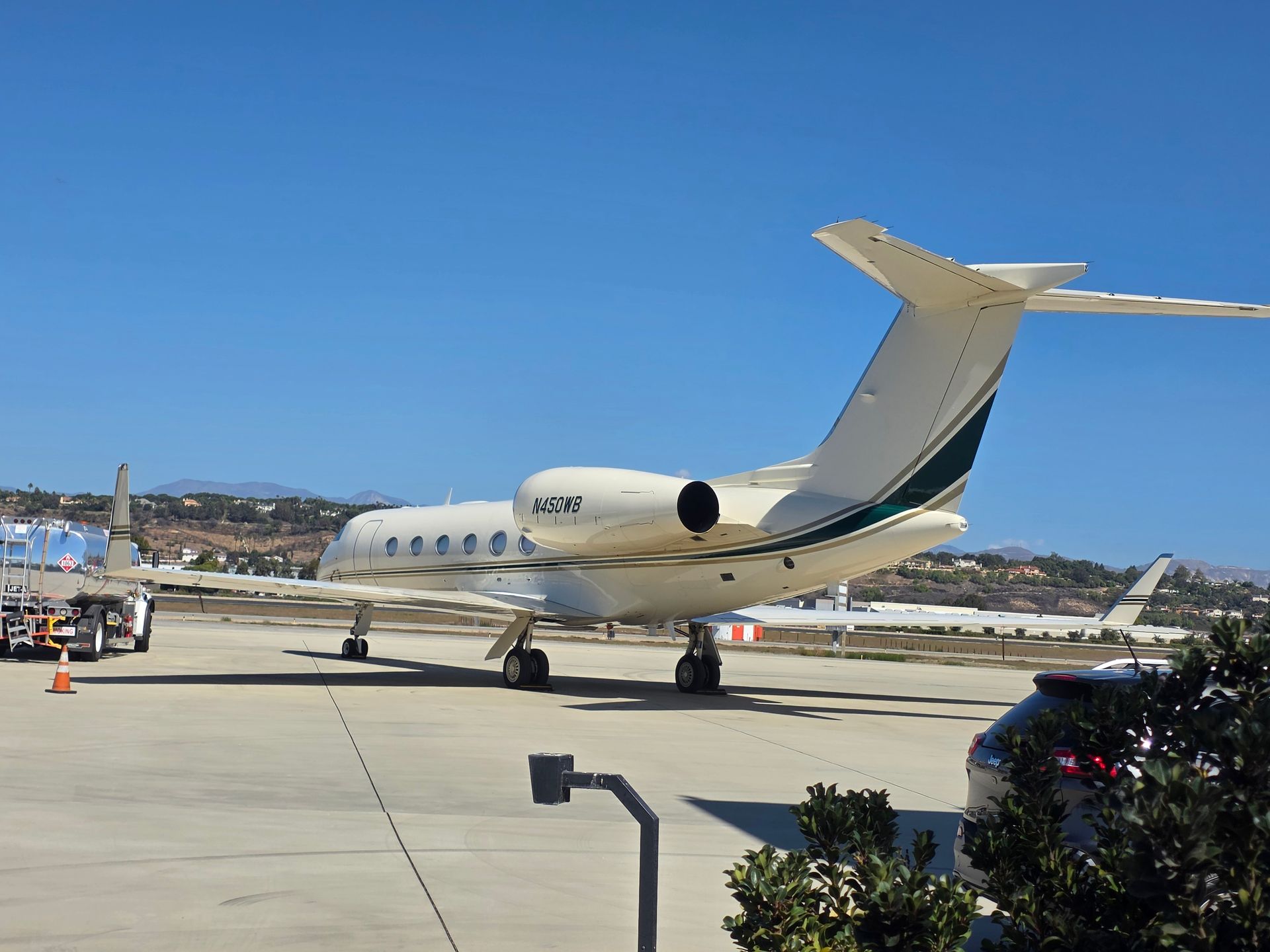
The category of Nano coatings (often called ceramic or nano-ceramic coatings) are increasingly popular for protecting private aircraft paint from UV rays, salt air, and pollutants common in SoCal's coastal and sunny climate. These are the most frequently asked questions we get about the use of these products. We also offer some key insights about nano coatings specific to private jets and planes in our home areas like LA, San Diego, and Orange County. The State of California has one of the largest private jet fleets in the U.S. (around 1,400+ jets nationally), with Southern California, particularly hubs like Van Nuys Airport (VNY) and Orange County, being major bases, suggesting hundreds, potentially over a thousand, private planes are based in our home region. Van Nuys Clean Aircraft is happy to be in a position to service all these planes and their owners. So here are the top question we get about these cutting edge coatings and protectants:
What are nano coatings, and how do they work on aircraft?
Nano coatings are liquid solutions of ceramic nanoparticles (e.g., SiO2) that once applied, bond chemically to the aircraft's paint, forming a semi-permanent, hydrophobic (water-repelling) protective layer. On private aircraft, they fill microscopic pores and scratches, creating a 9H-hard barrier against UV fading, oxidation, bird strikes, and jet fuel stains. Unlike wax (which wears off in weeks), they cure in 24-48 hours for 3-7+ years of protection, reducing cleaning frequency by 50-70% in the harsh SoCal sun.
Are nano coatings safe and FAA-compliant for private aircraft?
Absolutely yes! Aviation-grade nano coatings (e.g., Flight Shield Sapphire V1 or System X Max) are FAA-compliant, non-toxic, and eco-friendly when applied by certified detailers like us. They won't affect aerodynamics or weight significantly. However, we always see that washing/detailing are logged as preventive maintenance per 14 CFR 43 Appendix A (Part C) if it involves protectants.
How much does nano coating cost for a private jet in Southern California?
Costs will vary by aircraft size and packages purchased: $1,000-$3,000 for small jets (e.g., Citation); $5,000-$15,000+ for midsize/large (e.g., Gulfstream). Factors include prep work, layers (1-3 recommended), and SoCal labor rates ($150-250/hour). Mobile services add convenience but $500-1,000. Nano coatings are also cost-effective long-term, saving 20-40% on repaint cycles (every 5-10 years vs. 3-5).
How long do nano coatings last on aircraft in SoCal's climate?
We see a 3-7 year life with proper maintenance, but SoCal's intense UV and salt exposure can shorten it to 2-5 years without the use of additional boosters. High-usage private jets (e.g., 200+ hours/year) see faster wear from ramp exposure at airports like VNY or SNA. Annual inspections and pH-neutral washes extend life. We recommend reapply top-ups every 12-18 months for optimal hydrophobicity.
What's the application process for nano protectants, and how long does it take?
The professional application of these coatings takes 2-5 days: Day 1-2 for clay bar decontamination, polishing, and paint correction; Day 3 for coating (multiple thin layers); 24-72 hours curing in a climate-controlled hangar. Our mobile detailers here in SoCal handle it onsite. Avoid DIY—requires certified techs to prevent uneven bonding. Ground time minimizes downtime for charter ops.
What are the benefits for private aircraft owners here in Southern California?
These products offer enhanced UV/salt protection which prevents fading (which is critical in sunny LA/SD). The hydrophobic surface sheds rain, bugs, and pollutants for easier dry-washes. The protected finish will boost resale value by 10-15% via preserved paint and reduces maintenance (e.g., less oxidation from coastal fog). Products like Glidecoat SST also resist de-icing fluids and exhaust stains. We find these ideal for frequent SoCal flyers.
Can nano coatings be applied to all aircraft surfaces, including interiors or composites?
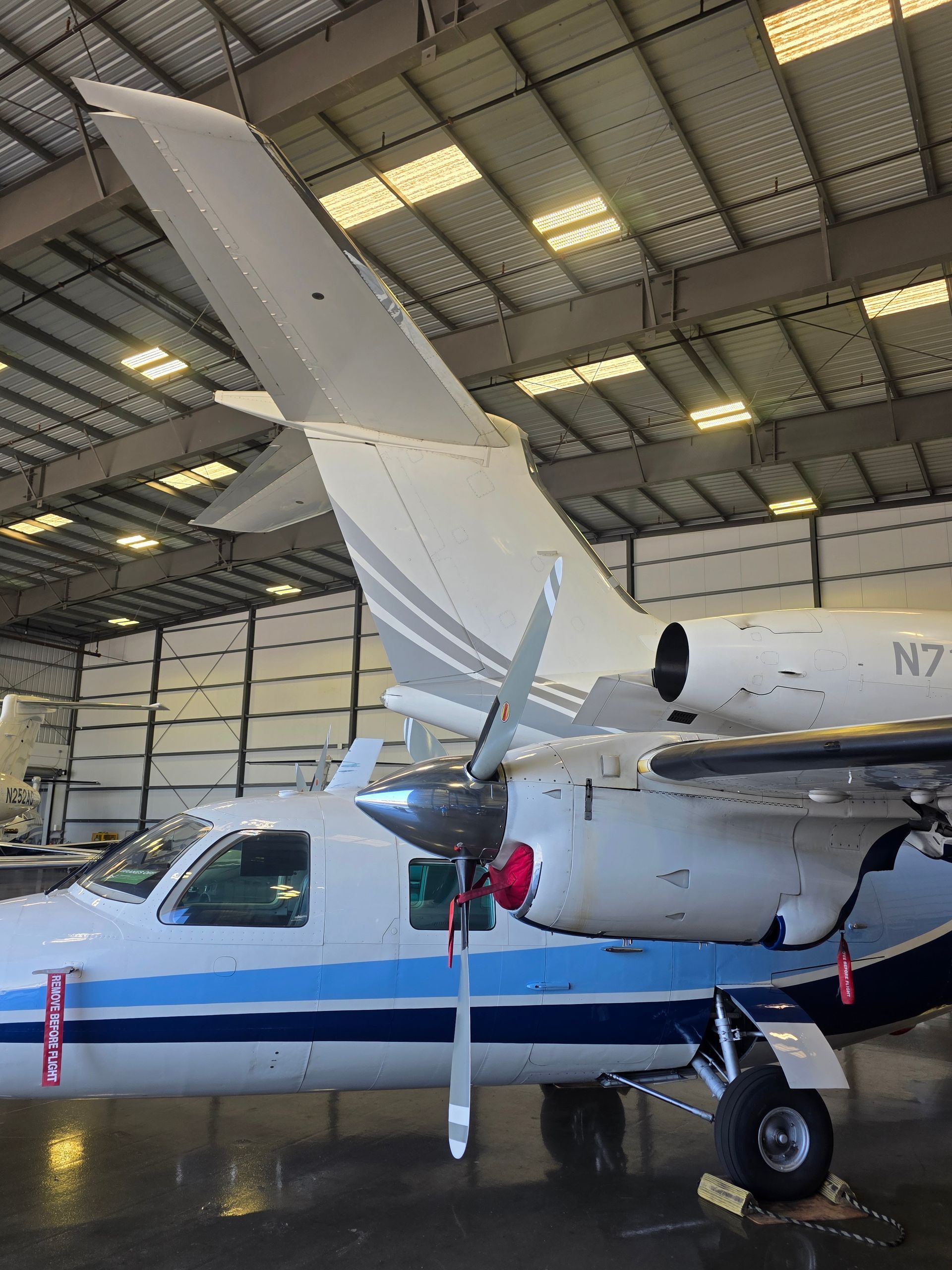
While we primarily use these products on exteriors (paint, gelcoat, metals), the best aviation formulas work on composites, glass, and trim without yellowing. Interiors: Limited to leather/plastics for UV protection, not full cabins. We avoid use of these proeucts on engines/propellers. For private jets with mixed materials (e.g., Gulfstream), multi-surface options like Realclean Nano can handle it. Prep work is key—we will always use test patches before using a product on a new surface.
How should owners maintain a nano-coated aircraft?
We only use pH-neutral aviation soaps (no automatic washes). We dry-wipe aircraft with microfiber to avoid swirls. And we recommend the application of boosters quarterly. In SoCal, we recommend a rinse after salty beach flights. We avoid abrasives or high-pressure (damages bond). We hightly recommend professional inspections annually.
Nano coatings vs. wax/sealants: What's the difference for planes?
Traditional wax-based products will last 1-3 months, which offers temporary shine but no chemical bond. Nano coatings are permanent protection (until polished off). Its 4x thicker, and provides superior hydrophobicity/scratch resistance. For our SoCal private jets, coatings cut cleaning time by 60% and extend paint life 2-3x. Wax is always cheaper upfront, but far costlier long-term.
Where can I get nano coatings applied in Southern California?
Any top provider can help. Call us at Van Nuys Clean Aircraft for an inspection and quote. Quotes are available via 818-946-2554 or www.vannuyscleanaircraft.com—we can help with free assessments.